Data insight
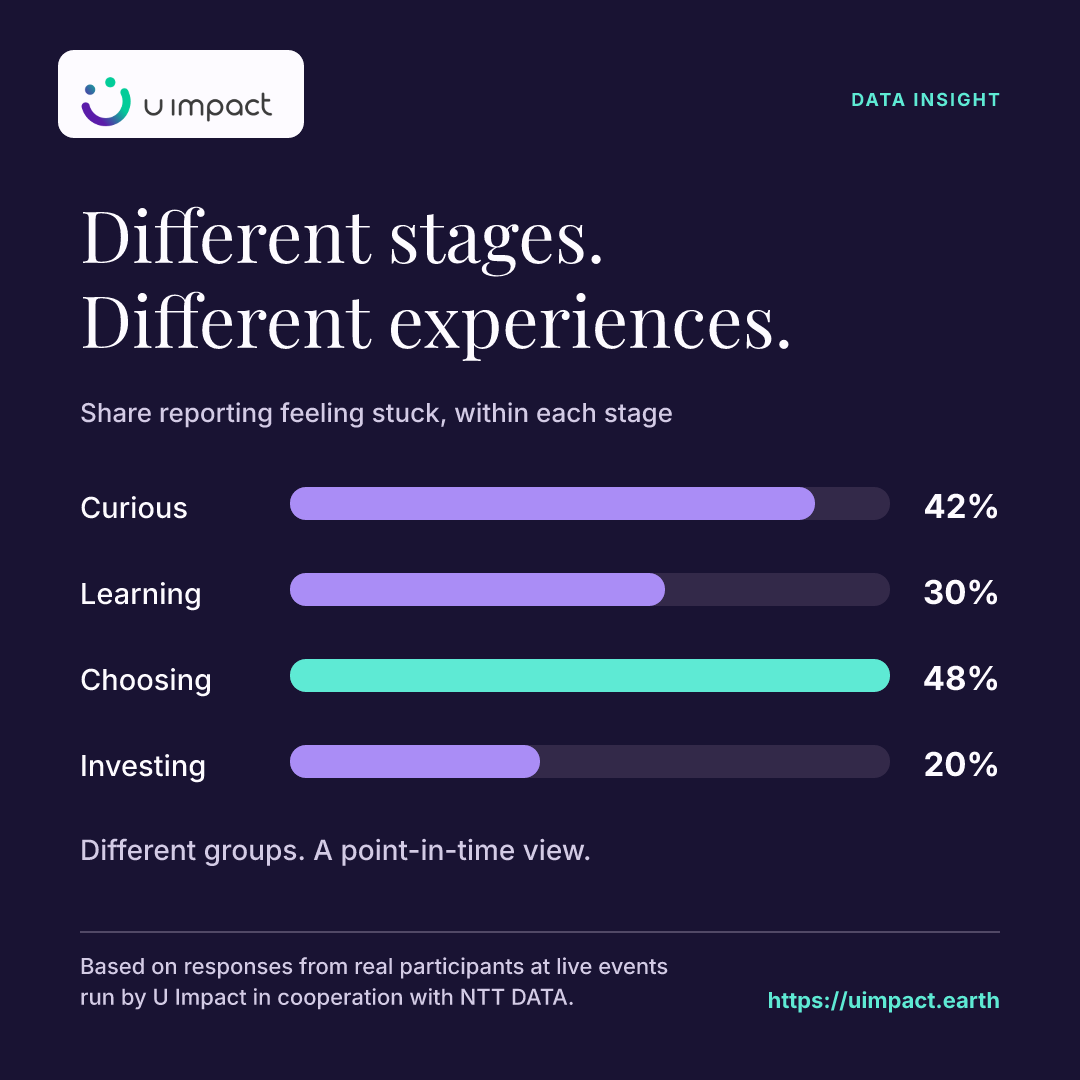
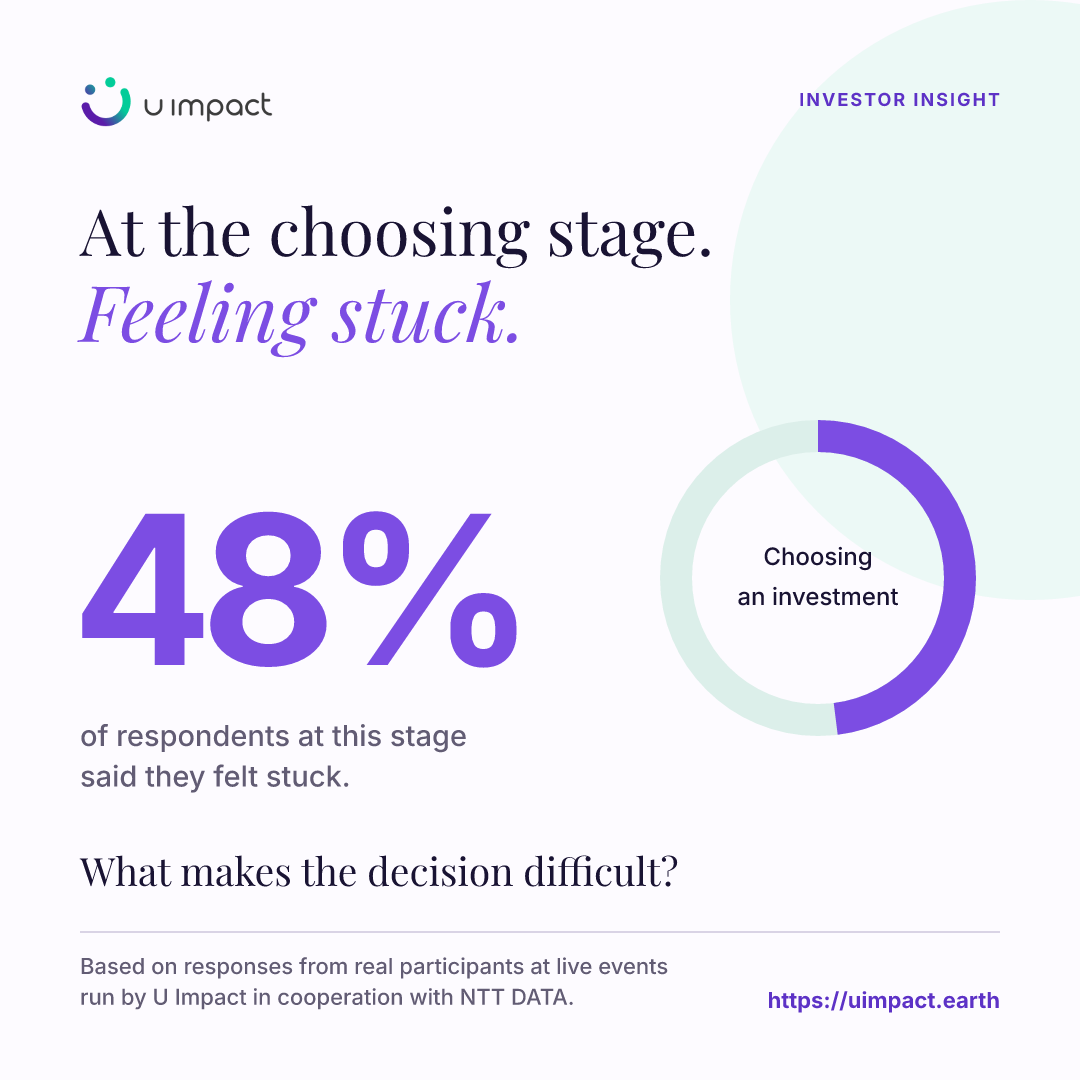
Choosing an investment. Feeling stuck.
What feeling stuck while choosing an investment can tell wealth product teams, and how to investigate the support customers need.
Read the article →u impact Learn
Insights and practical questions for financial-services teams designing investor journeys, live events and conversations that matter. Explore the latest series or start with our evidence-led field guides.
Five-page research & practice briefs
Investor hesitation, confidence and events: three referenced briefs with practical questions and explicit limits.
Explore the free reportsInvestor insights in practice
Data from real event participants, practical methodology and perspectives for wealth teams, event organisers and programme directors. Each article connects an insight to a question worth investigating.
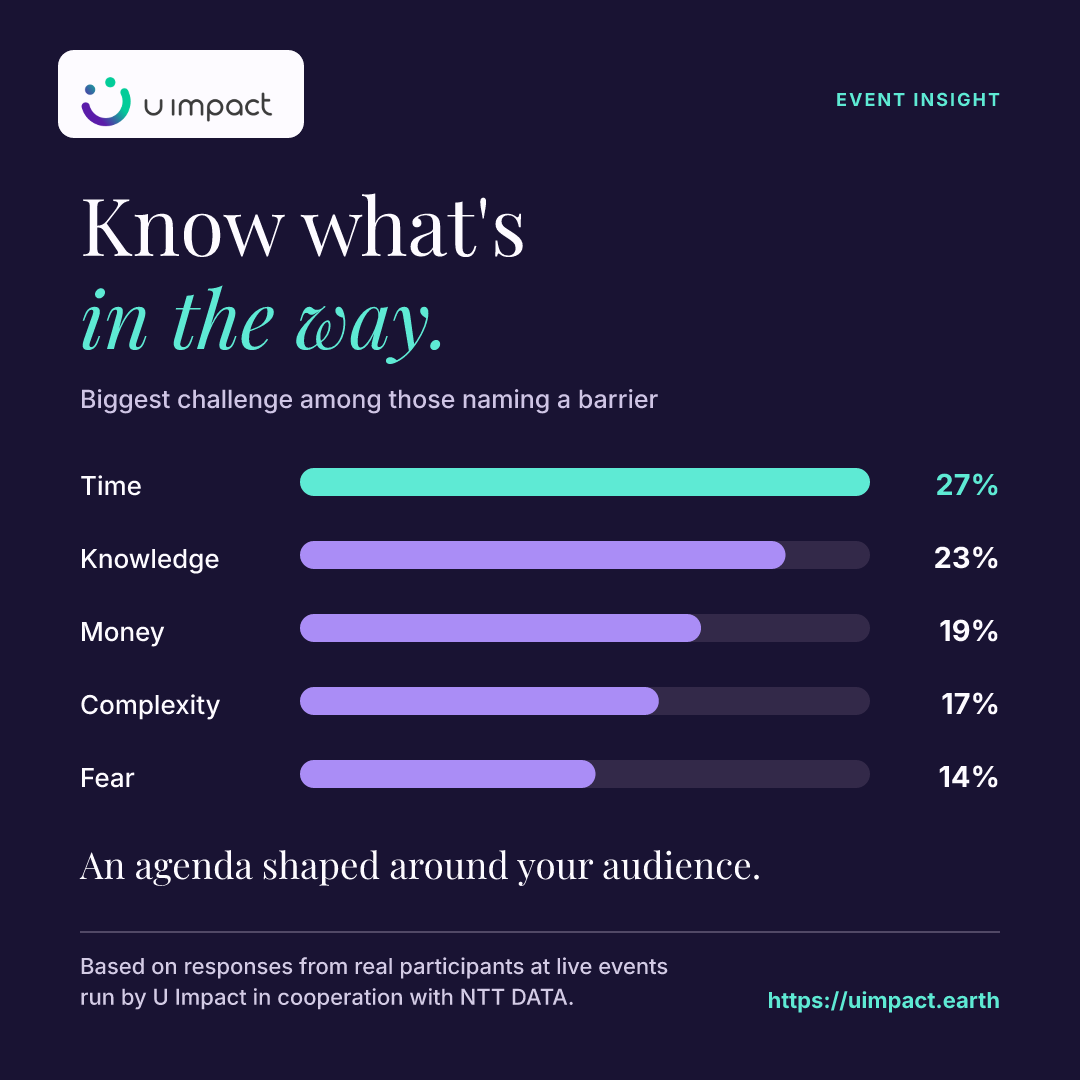
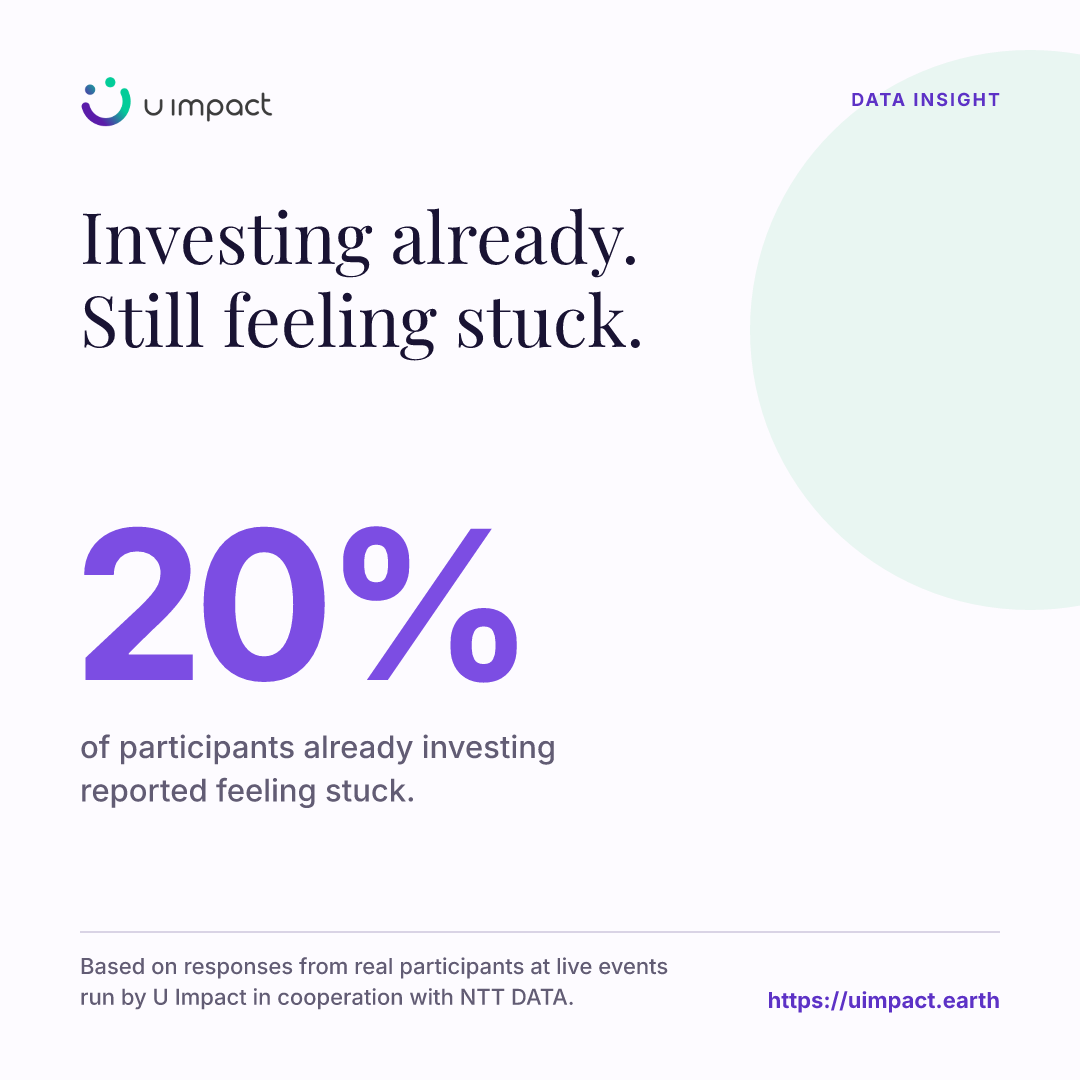
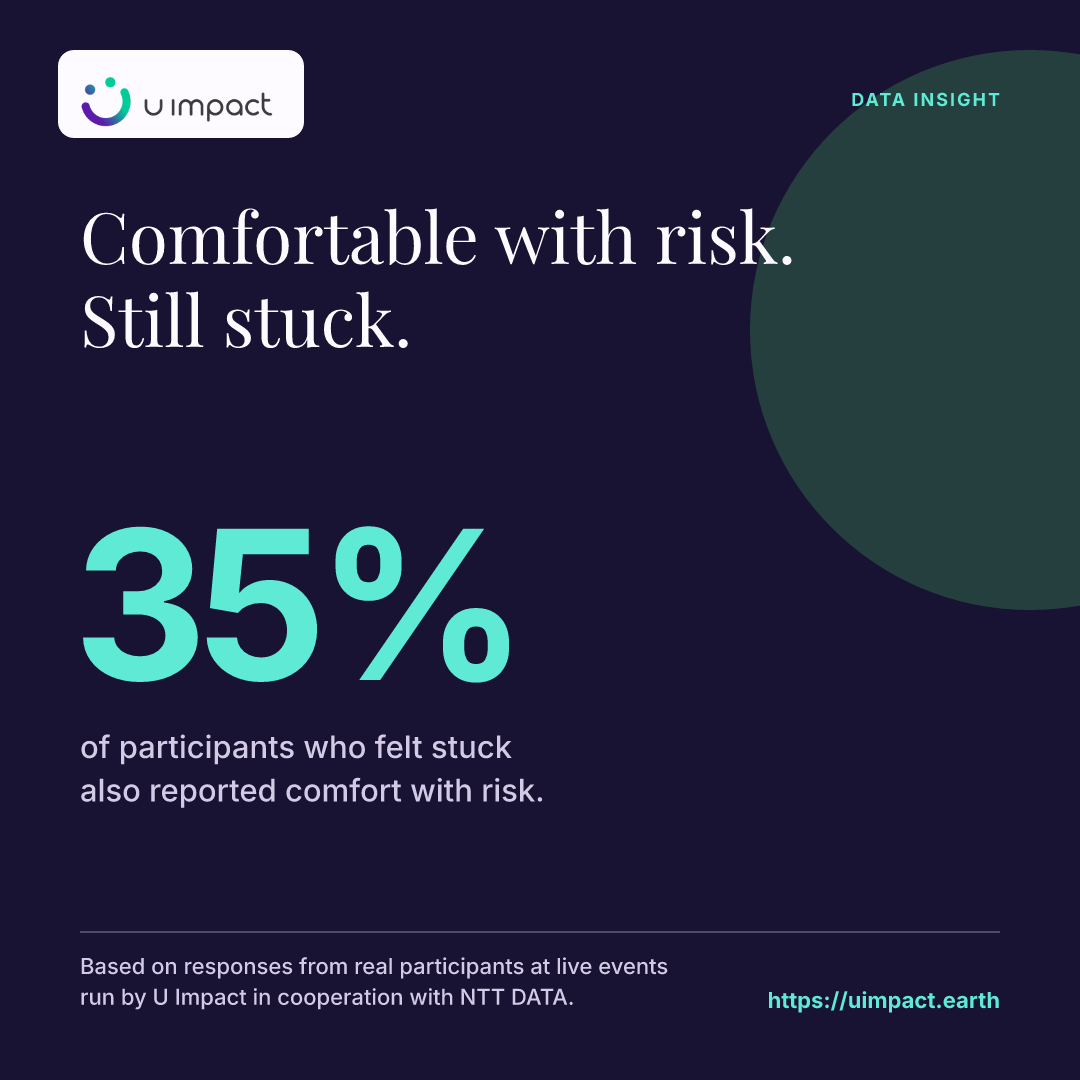
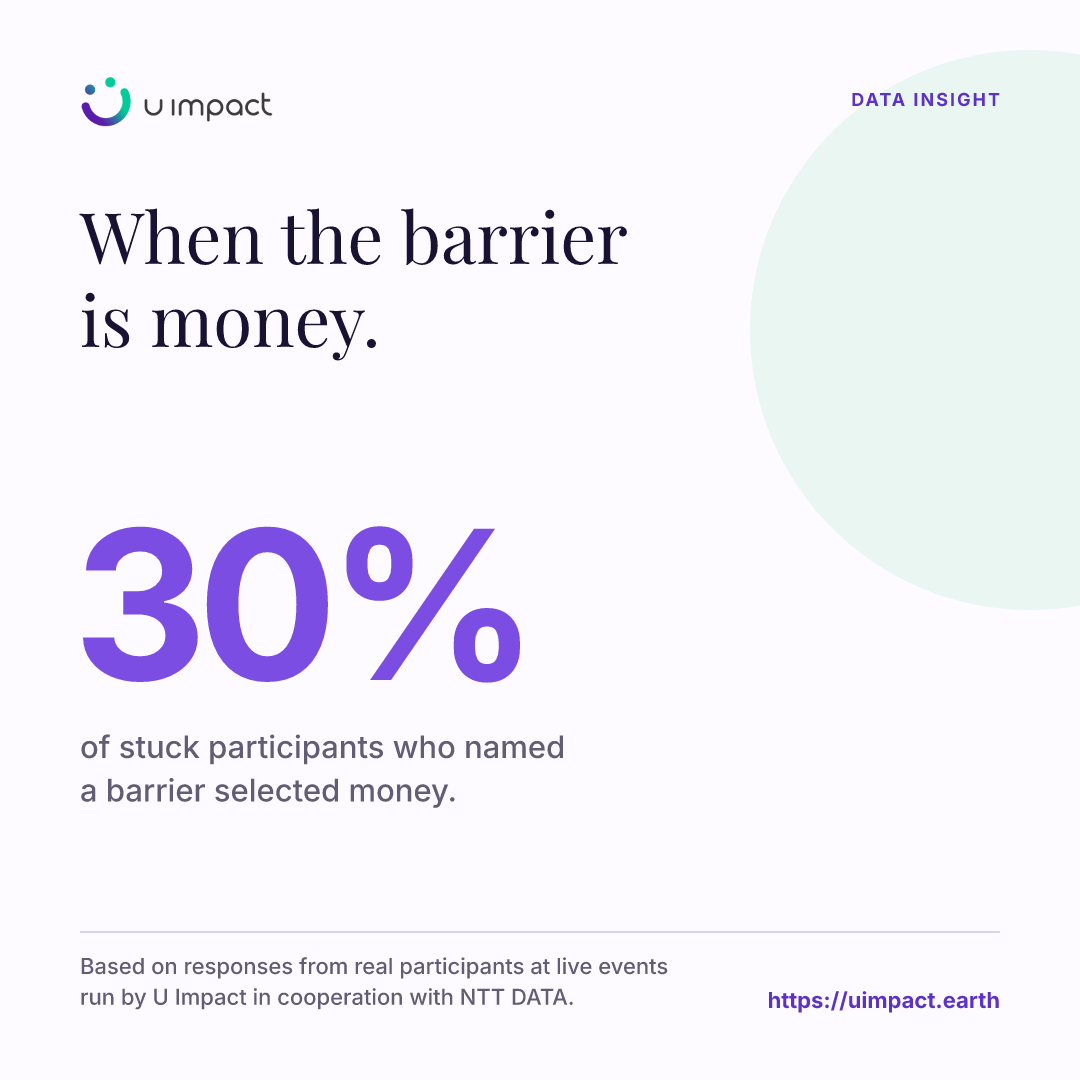
Based on responses from real participants at live events run by U Impact in cooperation with NTT DATA.
The data articles use the combined Mirai responses. Each explains who its percentages describe and what can be concluded from them.
What feeling stuck while choosing an investment can tell wealth product teams, and how to investigate the support customers need.
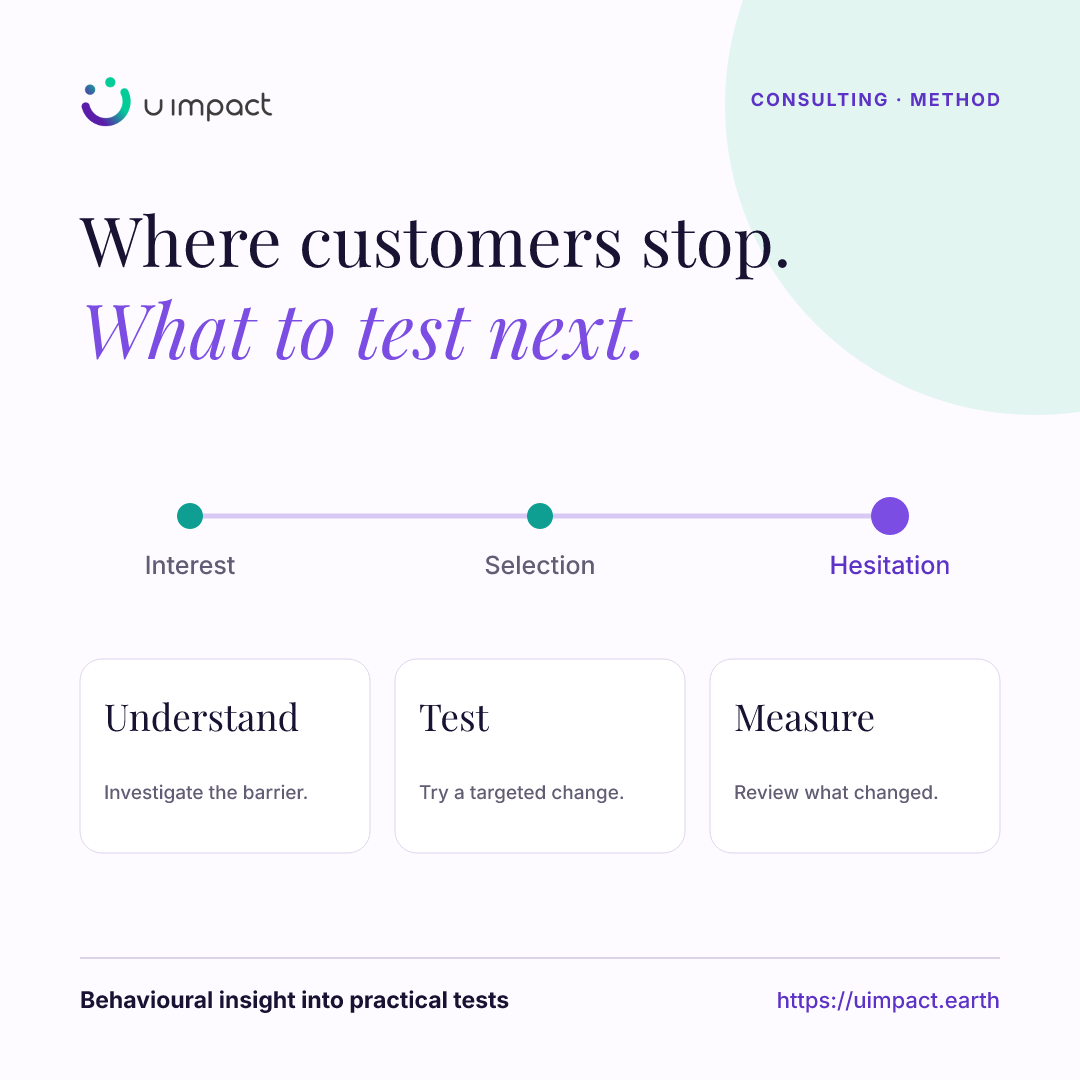
Read the article →A practical approach for wealth product and customer-experience teams investigating hesitation and turning findings into changes to test.
Read the article →How financial-services conference organisers can turn a broad inclusion theme into a practical conversation about investor decisions.
Read the article →Use audience-reported investment barriers to shape a relevant financial-services event, with clear boundaries around what the data means.
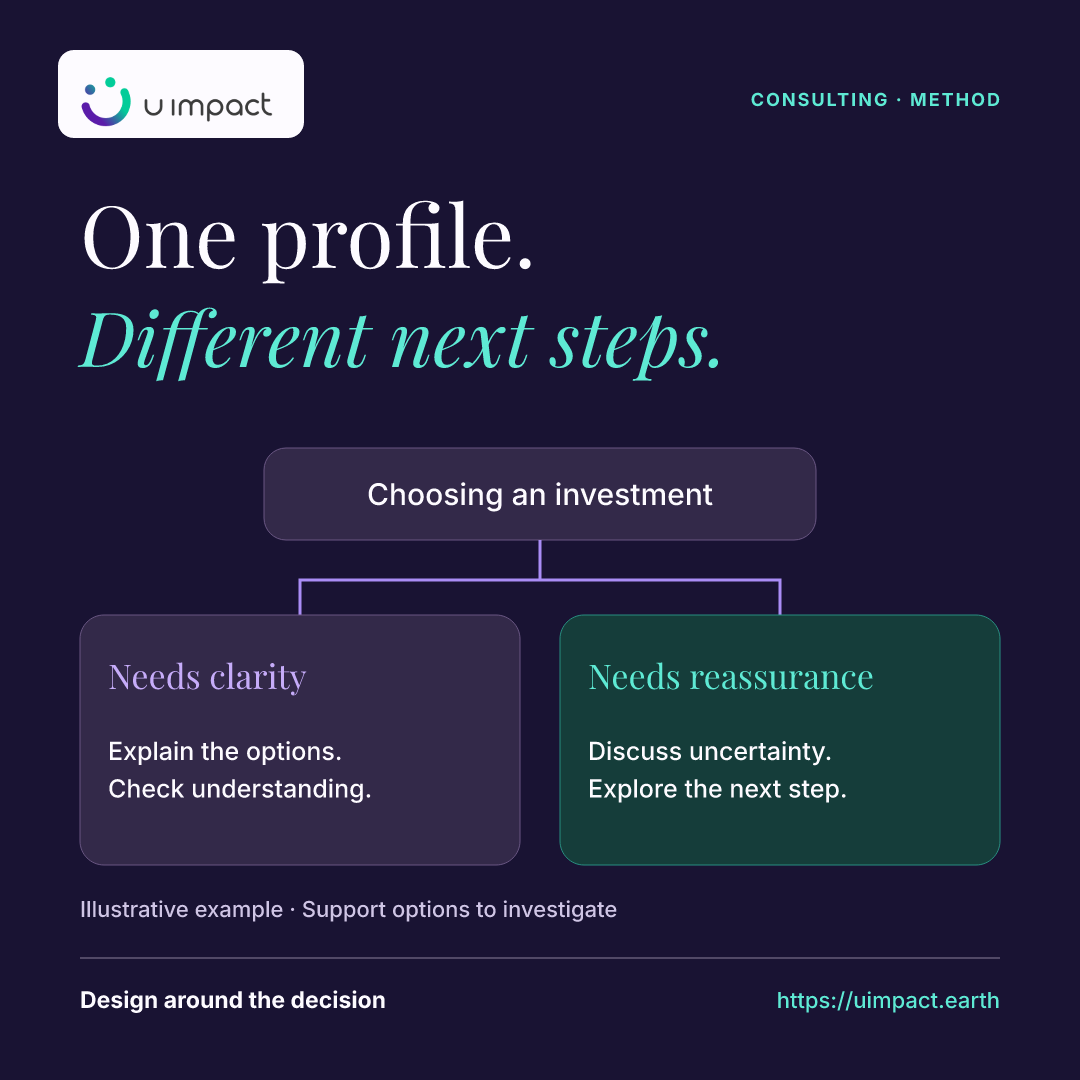
Read the article →Why a shared investor journey stage does not establish a shared support need, and how to develop personalisation hypotheses.
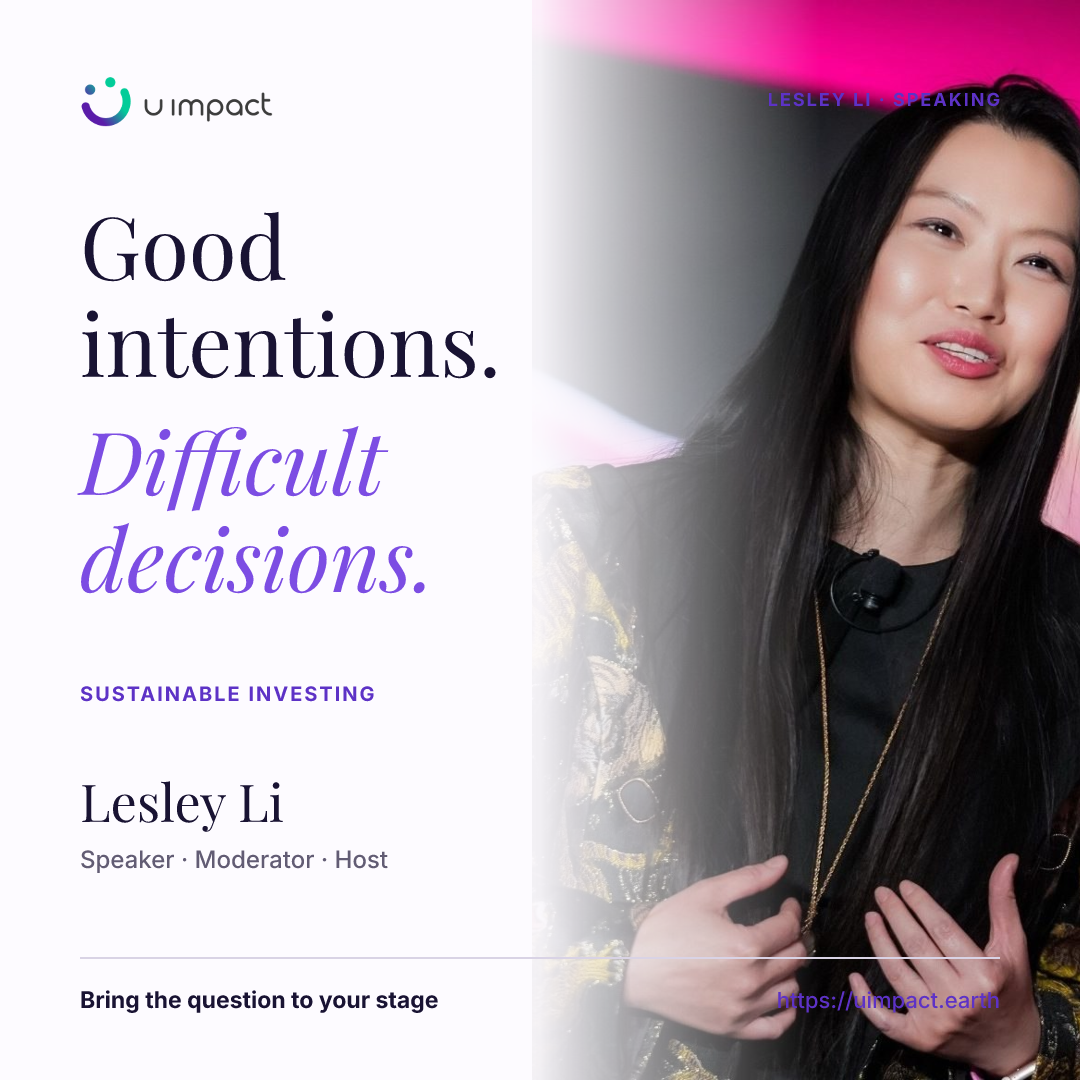
Read the article →A speaking and programme-design perspective on turning sustainable-investing intentions into a discussion of practical decisions.
Read the article →Why already investing does not establish that the next investment decision feels easy, and what engagement teams can investigate.
Read the article →How to interpret differences between investor self-report, knowledge checks and hypothetical decision scenarios without overclaiming.
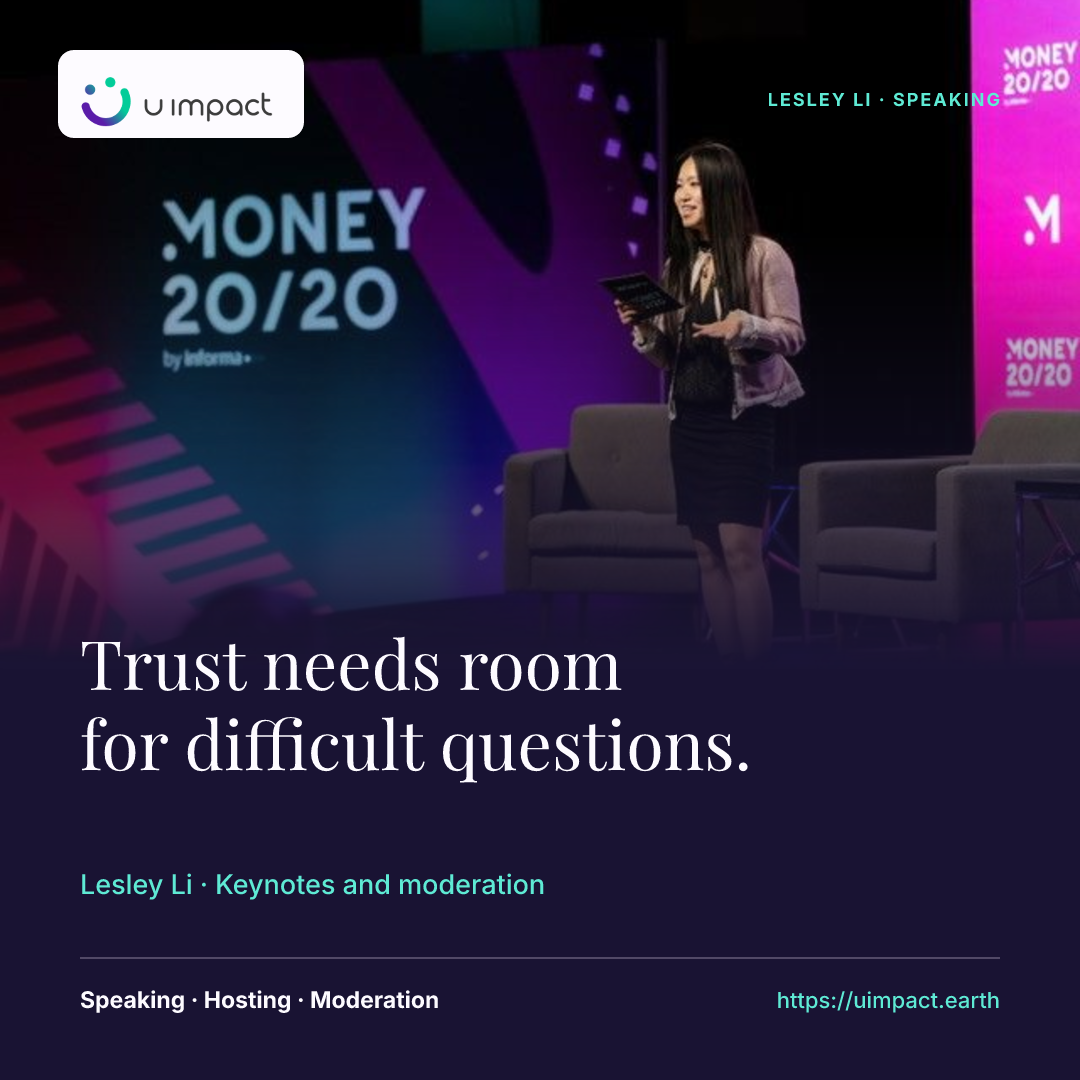
Read the article →Build a financial-services speaking or panel brief that addresses difficult questions about trust, claims and investment choices.
Read the article →A Mirai insight on risk comfort and feeling stuck, and why wealth teams should examine more than a single assessment signal.
Read the article →Separate risk, unclear information and other sources of uncertainty when researching an investment decision.
Read the article →Design an employee financial-wellbeing event around the decisions and circumstances participants want to understand.
Read the article →Interpret a reported money barrier carefully when planning financial-wellbeing and investor-event discussions.
Read the article →Move from an investor-research pattern to a focused intervention with a clear hypothesis, outcome and review point.
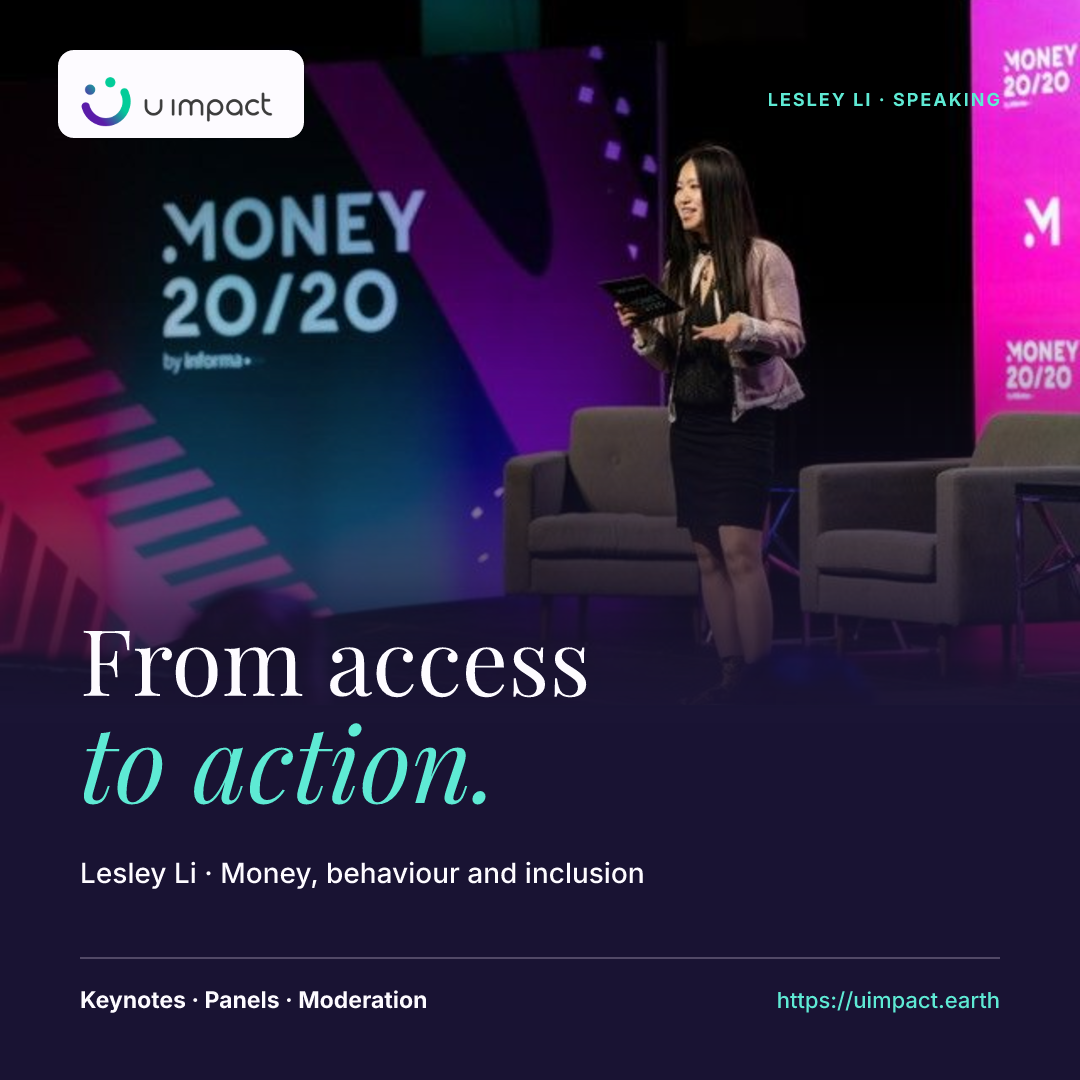
Read the article →A practical speaking-brief framework for financial-services programme directors commissioning Lesley Li.
Read the article →How to connect private participant feedback with an aggregate discussion in a U Impact live event activation.
Read the article →Combine audience reflection and Lesley Li’s moderation to make financial-services panels more relevant to the room.
Read the article →Read investment-stage percentages as a snapshot of different groups, not a funnel, dropout rate or measure of progress.
Read the article →Plan an investor-event readout that separates participant reports, interpretations and practical follow-up questions.
Read the article →Define useful outcomes for an investor-journey redesign, including understanding, support and the choice to pause.
Read the article →The foundations
Investment decisions emerge from knowledge, confidence, uncertainty, trust, values and the choice environment. Start with the complete evidence-led overview.
Read the field guide →Two people can know the same amount and feel very differently about acting. Treating confidence as knowledge hides a useful signal.
Read the guide →Known probabilities and unclear outcomes create different decision problems. Investor research should not collapse them into one score.
Read the guide →Positive intent does not reliably become a funded decision. Research helps us understand the frictions without assuming one universal cause.
Read the guide →Hypothetical decisions provide comparable evidence. They are valuable precisely when their limitations stay visible.
Read the guide →Our editorial standard
Our guides identify their authors and reviewers. The investor insights series is published by U Impact, with a route to the team behind the work.
Our guides reference original research. Event-data articles identify the source and the group described by each percentage.
Each article states what kind of evidence it draws on and what should not be concluded from it.
The common thread
We use individual responses to create a useful explanation, compare patterns at cohort level, and turn promising hypotheses into measurable changes. The method stays open to revision as projects add evidence.
Bring us a cohort and a decision, not a request for another dashboard.